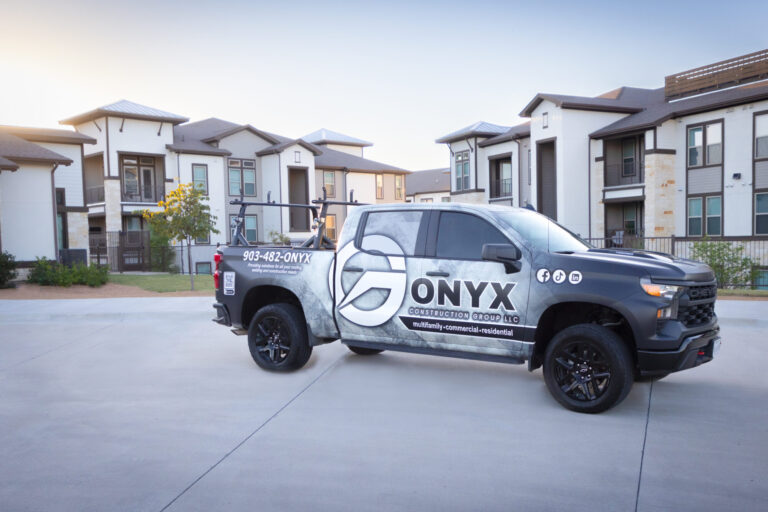
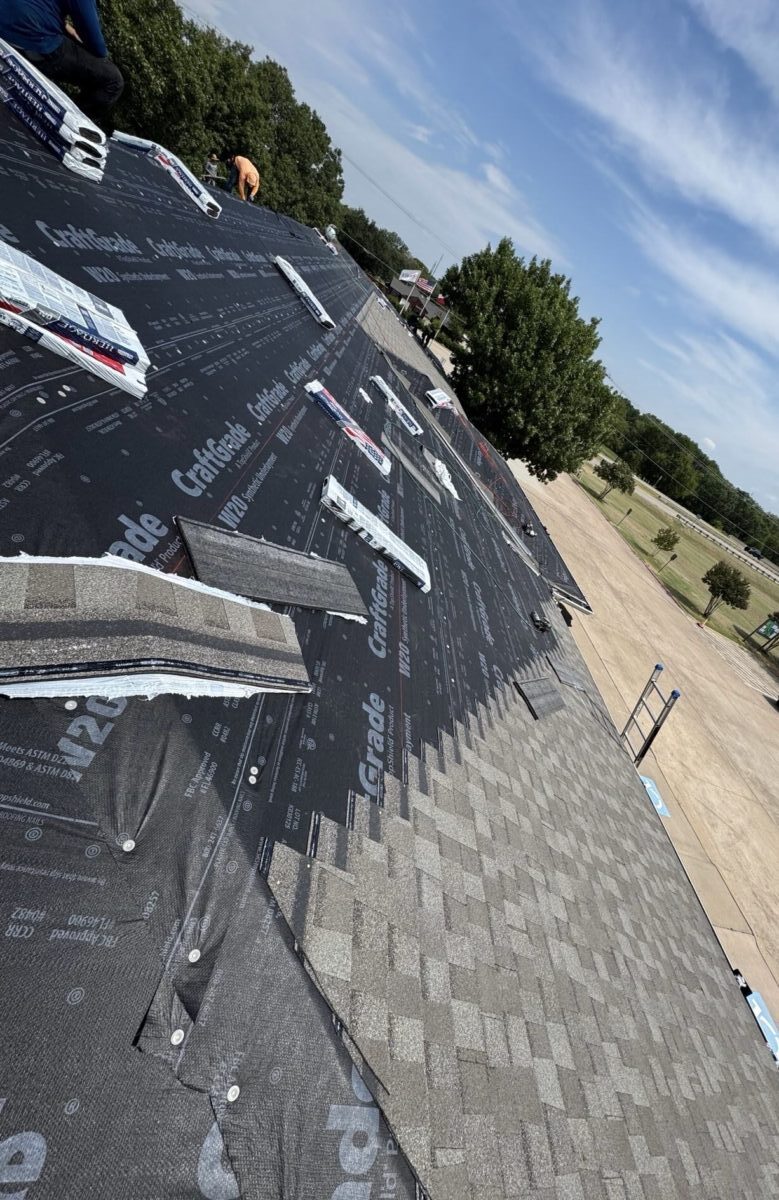
Living in the Dallas-Fort Worth Metroplex means experiencing some of the most unpredictable weather in the country. From sweltering summer heat to sudden spring storms, North Texas homeowners face unique challenges when it comes to protecting their most valuable investment. At Onyx Construction Group, we help DFW families identify and repair hail damage that threatens their homes’ integrity. With devastating storms regularly impacting Tarrant County, Plano, and surrounding areas, understanding hail damage is more critical than ever.
What makes us different? We’re not just another roofing company trying to sell you a new roof. Our team combines local expertise with a genuine commitment to education and transparency. We believe informed homeowners make better decisions, which is why we take the time to walk you through every step of the inspection process. Whether you’re in Arlington, Fort Worth, or anywhere across the Metroplex, our certified inspectors understand the specific vulnerabilities that DFW roofs face. When hail strikes, you need a partner who knows the difference between minor wear and serious damage.
Why Hail Damage Is More Dangerous Than You Think
The most dangerous aspect of hail damage isn’t what you can see immediately after a storm. It’s what remains hidden, slowly compromising your roof’s protective barrier over time. Unlike a missing shingle or obvious hole, hail damage often appears as subtle bruising on asphalt shingles, microscopic cracks in flashing, or barely visible dents that gradually allow moisture penetration.
Here’s what many homeowners don’t realize: hail damage compounds over time. That seemingly minor impact from last spring’s storm creates a weak point where UV rays penetrate more easily, granules wash away faster, and water finds new pathways into your home. By the time you notice water stains on your ceiling, the damage has often spread far beyond the initial impact site.
The DFW area’s climate makes this problem worse. Our intense summer heat causes already-compromised shingles to deteriorate faster, while occasional freeze-thaw cycles allow trapped moisture to expand and contract, widening cracks and accelerating decay.
Signs of Hail Damage You Can Spot From the Ground
Before climbing onto your roof, take a walk around your property and look for these telltale indicators:
Check Your Gutters and Downspouts: Dented gutters, gutter screens, or downspouts often indicate that significant hail damage exists on the roof above. Look closely for small dimples or larger dents that weren’t there before the storm.
Inspect Your Siding and Window Casings: If your vinyl siding shows splatter marks, small cracks, or obvious dents, your roof almost certainly sustained similar or worse damage. Pay special attention to areas facing the direction the storm came from.
Examine Your AC Unit and Outdoor Equipment: Check the top of your AC unit, satellite dish, and any outdoor lighting fixtures for dents or cracks. These can serve as quick indicators of roof damage.
Look at Your Deck and Painted Surfaces: Chipped paint on decks and other painted wood surfaces may result from hail impact, suggesting your roof experienced similar forces.
What Professional Inspectors Look For on Your Roof
When our Onyx Construction Group team conducts a thorough roof inspection, we’re looking for specific damage patterns that homeowners often miss.
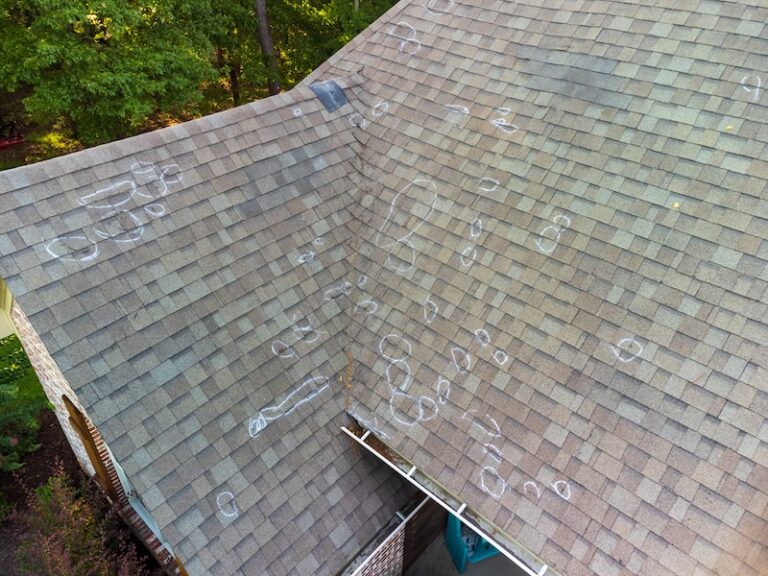
Shingle Surface Analysis: Hail damage to asphalt shingles appears as divots that are black in color or soft to the touch, along with loss of granules and shiny asphalt or mat. These “bruises” might not penetrate all the way through the shingle, but they compromise the material’s ability to shed water effectively.
Random Damage Patterns: One key indicator that separates hail damage from normal wear is randomness. Unlike uniform deterioration from age or sun exposure, roof hail damage appears in seemingly arbitrary spots across the surface.
Metal Component Assessment: We carefully inspect all metal flashing, vents, and caps because these surfaces reveal damage more easily than composite materials. Even subtle impact points can indicate broader roof damage.
Hidden Structural Concerns: Beyond surface damage, our inspectors check for sagging areas, examine attic spaces for water stains or mold, and look for signs of moisture intrusion in the roof deck.
The Risks of Ignoring Minor Hail Damage
Many homeowners make a critical mistake: they see a few small dents, decide it’s not worth dealing with insurance claims, and move on with their lives. This decision can prove costly. Even minor hail damage creates entry points for water, and in North Texas where we experience everything from torrential downpours to ice storms, those entry points become pathways for serious moisture problems.
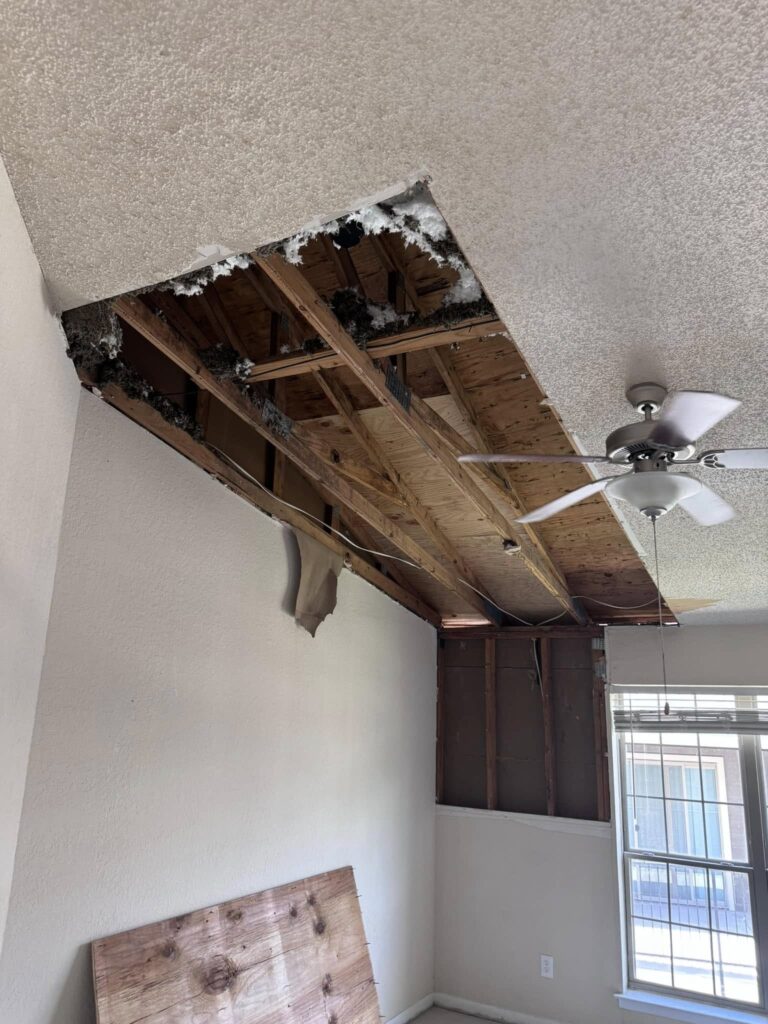
Once water penetrates your roof’s protective layers, it spreads along roof decking, soaks into insulation, and creates perfect conditions for mold growth. The damage doesn’t stay contained. Additionally, insurance companies have specific timeframes for filing hail damage claims, so waiting too long may leave you responsible for repairs that could have been covered.
Why Timing Matters After a DFW Hailstorm
The Dallas-Fort Worth area experiences peak hail season during spring and early summer. After a significant hailstorm, you should schedule a professional inspection within two to four weeks. This timeframe allows you to:
Document Fresh Damage: The sooner you identify and photograph damage, the easier it is to connect it directly to a specific storm event for insurance purposes.
Beat the Rush: After major storms, roofing companies get inundated with requests. Scheduling early ensures you get timely service.
Prevent Secondary Damage: Quick repairs or temporary protective measures can prevent minor damage from becoming major problems before the next storm.
Maximize Insurance Coverage: Most homeowners insurance policies have claim filing deadlines. Acting promptly ensures you don’t miss your window for coverage.
Preventing Future Hail Damage: Is It Possible?
While you can’t control North Texas weather, you can make your roof more resilient to future hail events. When replacing your roof, consider upgrading to impact-resistant shingles with a Class 4 rating, the highest available. These shingles are specifically designed to withstand hail impacts better than standard shingles, and many insurance companies offer premium discounts for homes with Class 4 roofing.
Regular maintenance also plays a crucial role in hail resistance. A well-maintained roof with proper ventilation, secure flashing, and intact granules will always perform better during severe weather than a neglected roof.
Why Choose Onyx Construction Group for Your Hail Damage Assessment
Our team understands the specific challenges that DFW homeowners face. We know the difference between hail damage and normal wear. We understand how local weather patterns affect different roofing materials. Most importantly, we’re committed to honest assessments, even if that means telling you that your roof doesn’t need replacement yet.
We’re locally owned and operated, which means we live in the same communities we serve. When storms hit Arlington, Fort Worth, Plano, or any other Metroplex city, our families are affected too. This isn’t just business for us; it’s personal. We treat every home as if it were our own, providing the same level of care and attention to detail we’d want for our families.
Our commitment to education sets us apart. We don’t believe in scaring homeowners into unnecessary repairs. Instead, we provide clear, honest information that helps you make the best decision for your situation and budget. Whether that means a full roof replacement, targeted repairs, or simply monitoring your roof for another year, we’ll give you our professional opinion without pressure or sales tactics.
Ready to Protect Your Home From Hidden Hail Damage? Call Onyx Construction Group Today!
Don’t let hidden hail damage silently destroy your roof and threaten your home’s integrity. After severe weather, a professional inspection isn’t just recommended, it’s essential for protecting your investment.
Contact Onyx Construction Group for your free, no-obligation hail damage inspection. Our team will thoroughly assess your roof, provide detailed documentation, and give you honest recommendations. Whether you’re in Tarrant County, Dallas, Plano, or anywhere across North Texas, we’re here to help you navigate hail damage concerns with expertise and integrity.
Contact us today or visit our website to schedule your comprehensive roof inspection. Let’s ensure your roof continues protecting your family for years to come, no matter what North Texas weather brings.